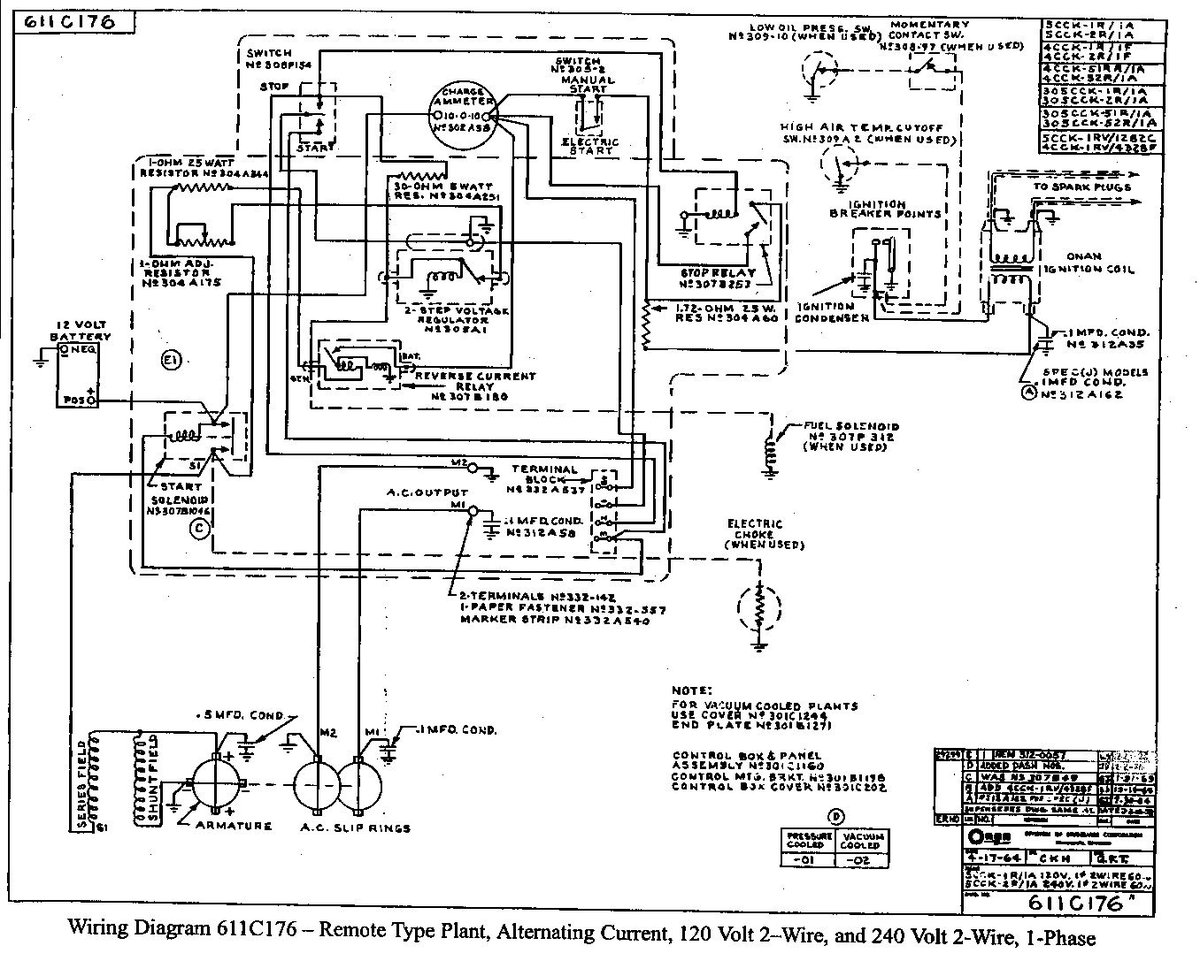
Your Onan generator is a workhorse, a beacon of reliability when the power grid falters. But even the sturdiest machines need a little TLC, and when it comes to keeping your Onan purring, understanding its Essential Onan Generator Replacement Parts isn't just good practice—it's critical for peak performance and longevity. Neglecting these seemingly small components can lead to costly breakdowns, frustrating downtime, and even permanent damage.
This isn't just about swapping out a worn-out part; it's about proactively maintaining your power lifeline. We’re diving deep into the components that truly matter, guiding you through what to look for, when to act, and why the right parts make all the difference.
At a Glance: Keeping Your Onan Running Strong
- Prioritize Regular Maintenance: Donan generators thrive on consistent care; don't wait for a breakdown.
- The "Core Five" are Crucial: Air filters, fuel filters, oil filters, spark plugs, and belts are non-negotiable for smooth operation.
- Authenticity Matters: Always opt for genuine Onan or approved aftermarket parts to ensure compatibility and reliability.
- Listen to Your Generator: Unusual noises, smoke, or performance drops are cries for attention.
- Know Your Limits: Simple replacements are DIY-friendly, but complex issues often require professional help.
- Preventative is Better than Reactive: A small part replacement now can prevent a major repair later.
Why Onan Generators Demand Specific Attention (and the Right Parts)
Onan generators, particularly popular in RVs, marine applications, and standby power systems, are renowned for their robust design and consistent output. This reputation isn't just built on initial quality; it's sustained by owners who understand the importance of proper maintenance and the use of correct, high-quality replacement parts. These aren't generic engines; they often have unique specifications, especially regarding their cooling systems, fuel delivery, and control electronics.
Using substandard or incorrect parts can throw off finely tuned systems, leading to reduced efficiency, increased fuel consumption, accelerated wear on other components, and even complete failure. Think of it like a precision Swiss watch – every gear, no matter how small, must fit perfectly and be of the right material for the watch to keep accurate time. Your Onan is no different.
The Core Five: Essential Onan Generator Replacement Parts You Can't Ignore
These are the absolute non-negotiables, the parts that directly impact your generator's ability to start, run efficiently, and produce power safely. Keep a close eye on them, and consider having spares on hand.
1. Air Filters: The Generator's Lungs
Just like any internal combustion engine, your Onan generator needs clean air to mix with fuel for combustion. The air filter is its first line of defense, preventing dust, dirt, debris, and insects from entering the engine. A clogged air filter chokes the engine, leading to:
- Reduced Power Output: The engine struggles to draw enough air.
- Increased Fuel Consumption: It tries to compensate by burning more fuel.
- Sooty Exhaust: Incomplete combustion creates more carbon buildup.
- Engine Damage: A compromised filter could allow abrasive particles into the cylinders.
When to Replace:
Check your generator's owner's manual for specific intervals, but a good rule of thumb is every 100-200 hours of operation, or annually, whichever comes first. In dusty environments, you'll need to check and replace it more frequently. Visually inspect it regularly; if it looks dirty, torn, or clogged, replace it. Don't try to clean paper air filters; they're designed for replacement.
2. Fuel Filters: Keeping the Fuel Stream Pure
Modern fuels, especially gasoline, can contain impurities, water, or break down over time, forming varnishes. Diesel fuel can also suffer from biological growth. The fuel filter ensures that only clean fuel reaches your carburetor or fuel injectors, preventing clogs and damage to sensitive fuel system components.
Signs of a failing or clogged fuel filter include:
- Hard Starting: The engine isn't getting enough fuel to fire up.
- Stalling or Rough Running: Intermittent fuel flow causes the engine to sputter.
- Loss of Power Under Load: When the generator needs more fuel, the clogged filter restricts it.
- Frequent Fuel Pump Failure: A struggling pump trying to push fuel through a clogged filter can wear out faster.
When to Replace:
Fuel filters should generally be replaced every 100-200 hours or annually, mirroring the air filter schedule. If you notice any of the symptoms above, a clogged fuel filter is a prime suspect, and replacement should be your first troubleshooting step. Always replace the fuel filter when performing other major maintenance or if you've recently dealt with contaminated fuel.
3. Oil Filters & Engine Oil: The Lifeblood of Your Onan
Engine oil is more than just a lubricant; it cools, cleans, and protects internal engine components from wear. The oil filter removes contaminants from the oil, ensuring that clean oil circulates throughout the engine. Using the correct type and viscosity of oil, along with a high-quality filter, is paramount for your Onan's longevity.
Issues arising from old oil or a dirty oil filter:
- Accelerated Engine Wear: Dirty oil is abrasive, leading to premature wear on bearings, pistons, and cylinders.
- Overheating: Oil helps dissipate heat; old, degraded oil is less effective.
- Reduced Fuel Efficiency: Increased friction means the engine works harder.
- Sludge Buildup: Contaminants can create sludge, blocking oil passages.
When to Replace:
This is perhaps the most critical routine maintenance item. Onan recommends oil and filter changes typically every 50-100 hours of operation or at least once a year, even if the generator hasn't been used much. Check your manual; high-usage generators might require even more frequent changes. Always use the oil type and viscosity recommended by Onan, often a specific SAE weight like 15W-40 for diesel or 10W-30 for gasoline in certain temperature ranges.
4. Spark Plugs: The Ignition Catalyst
For gasoline-powered Onan generators, spark plugs are the small but mighty components responsible for igniting the fuel-air mixture in the combustion chamber. A healthy spark plug provides a strong, consistent spark, leading to efficient combustion.
Symptoms of worn or fouled spark plugs:
- Misfires: The engine skips a beat, leading to rough running.
- Hard Starting: Weak spark makes it difficult to ignite the mixture.
- Reduced Fuel Economy: Inefficient combustion wastes fuel.
- Loss of Power: The engine isn't generating full power.
- Excessive Carbon Buildup: Incomplete combustion can lead to deposits on the plug.
When to Replace:
Inspect spark plugs annually or every 100-200 hours. Look for signs of wear, electrode erosion, or heavy carbon deposits. While some plugs can be cleaned, replacement is generally recommended for optimal performance. Always use the exact spark plug type specified by Onan in your owner's manual to ensure correct heat range and gap.
5. Belts (Serpentine/Fan): The Unsung Heroes of Auxiliary Systems
Many Onan generators, especially larger liquid-cooled models, rely on one or more belts to drive essential auxiliary components like the cooling fan, alternator (to charge the starting battery), and sometimes the water pump. A broken belt means a quickly overheating engine or a dead battery.
Signs of a worn or failing belt:
- Cracking or Fraying: Visible damage along the belt's surface.
- Glazing: A shiny, slick appearance on the belt surface.
- Squealing Noises: Especially on startup or when under load, indicating slippage.
- Loss of Tension: The belt feels loose when pressed.
When to Replace:
Inspect belts annually for wear and proper tension. There isn't a strict hour-based replacement schedule as with filters, but if you see any signs of wear, replace it immediately. It's often a good idea to replace belts proactively after several years of service, regardless of apparent condition, as rubber can degrade over time. Keeping a spare belt is a smart move, especially if you rely on your Onan in remote locations.
Beyond the Basics: Other Critical Onan Parts to Monitor
While the "Core Five" are your most frequent replacement needs, several other components play vital roles and warrant occasional inspection and replacement.
Batteries: The Spark of Life
Your generator's starting battery is crucial. Without enough cranking amps, your Onan simply won't start. A weak battery can cause stress on your starter motor and control board.
When to Replace:
Batteries typically last 3-5 years, depending on climate and usage. Test your battery's voltage and cold cranking amps (CCA) annually. Signs of a dying battery include slow cranking, dimming lights on the control panel during startup, or a battery that won't hold a charge. Always replace with a battery that meets or exceeds Onan's specified CCA rating.
Voltage Regulators: Consistent Power Delivery
The voltage regulator ensures your generator produces stable, clean power. If it fails, you could experience fluctuating voltage, over-voltage (which can damage connected appliances), or no power output at all.
When to Replace:
Voltage regulators don't have a scheduled replacement interval, but if you're experiencing inconsistent power, flickering lights, or scorched outlets, a faulty regulator is a strong possibility. This is generally a job for an experienced technician to diagnose and replace.
Mufflers/Exhaust Components: Safety and Sound
A healthy exhaust system ensures proper expulsion of harmful gases and reduces noise. A damaged muffler or exhaust pipe can lead to dangerous carbon monoxide leaks, increased noise, and potentially reduced engine performance.
When to Replace:
Inspect for rust, holes, or loose connections annually. Replace any component that shows significant corrosion or damage. This is a critical safety item; never operate a generator with a compromised exhaust system indoors or in poorly ventilated areas.
Gaskets & Seals: Preventing Leaks
From the oil pan gasket to valve cover gaskets and various seals throughout the engine, these components prevent vital fluids from leaking out. Even a small leak can lead to low fluid levels, potential engine damage, and environmental concerns.
When to Replace:
Gaskets and seals are typically replaced when a component is serviced (e.g., valve cover gasket when adjusting valves) or if a leak is detected. Don't ignore leaks; they rarely fix themselves.
Fuel Pumps: Keeping the Fuel Flowing
Most Onan generators use either a mechanical or electric fuel pump to deliver fuel from the tank to the engine. A failing pump can mimic a clogged fuel filter, leading to starting problems or stalling.
When to Replace:
Fuel pumps typically last many years. If you've ruled out the fuel filter and still suspect a fuel delivery issue, test the fuel pump's pressure and flow. Electric fuel pumps might make an audible clicking sound when running; an absent or inconsistent sound could indicate an issue.
Cooling System Components: Staying Cool Under Pressure (Liquid-Cooled Models)
For larger, liquid-cooled Onan models, the cooling system is paramount. This includes the radiator, coolant hoses, thermostat, and coolant itself. Overheating can quickly destroy an engine.
When to Replace:
- Coolant: Follow Onan's recommendation, often every 2-5 years. Use the specified type of coolant.
- Hoses: Inspect annually for cracks, leaks, or sponginess. Replace if damaged.
- Thermostat: Replace if the engine consistently runs too hot or too cold.
- Radiator Cap: Test or replace every few years to ensure proper pressure regulation.
Sourcing Authentic Onan Parts: Why It Matters
When it comes to Essential Onan Generator Replacement Parts, authenticity isn't a luxury; it's a necessity. The market is flooded with aftermarket parts, and while some are perfectly acceptable, many are not.
The Dangers of Generics:
- Poor Fit: Incorrect dimensions can lead to leaks, premature wear, or installation difficulties.
- Inferior Materials: Cheaper materials may degrade faster, fail under stress, or not withstand operating temperatures.
- Compromised Performance: A non-OEM spark plug might have the wrong heat range, or an off-brand filter might have inadequate filtration media.
- Voided Warranties: Using unapproved parts can sometimes void your generator's warranty.
- Safety Risks: Incorrect parts, especially for fuel or electrical systems, can pose fire hazards or other dangers.
How to Verify Authenticity: - Purchase from Authorized Dealers: Cummins/Onan authorized service centers, reputable RV supply stores, and established online retailers are your safest bet.
- Check Packaging: Genuine Onan parts usually come in branded packaging with part numbers that match your manual.
- Compare Part Numbers: Always cross-reference the part number in your generator's owner's manual with the part you are purchasing.
- Look for Quality Markings: Genuine parts often have brand logos or specific manufacturing marks.
When to Replace: Your Onan Generator Maintenance Schedule Guide
Preventative maintenance is the cornerstone of Onan reliability. Here's a general framework; always consult your specific generator's owner's manual for precise intervals.
| Maintenance Task | Frequency (Typical) | Notes |
|---|---|---|
| Engine Oil & Filter | Every 50-100 hours or Annually | Most critical. Use specified oil type. |
| Air Filter | Every 100-200 hours or Annually | More often in dusty conditions. Don't clean paper filters. |
| Fuel Filter | Every 100-200 hours or Annually | Crucial for fuel system health. |
| Spark Plugs (Gasoline) | Every 100-200 hours or Annually | Check gap and condition. |
| Belts (Inspection) | Annually | Replace if cracked, frayed, or glazed. |
| Battery Check | Annually (Voltage/CCA Test) | Replace typically every 3-5 years. |
| Coolant (Liquid-cooled) | Every 2-5 years (fluid flush/replacement) | Use specified coolant type. Check level more frequently. |
| Hoses/Clamps | Annually (Inspection) | Replace if cracked, swollen, or leaking. |
| Exhaust System | Annually (Inspection) | Check for leaks, rust, or damage. |
| Seasonal Checks: |
- Before Storage: Perform an oil and filter change, stabilize fuel, and ensure the battery is charged.
- Before First Use of Season: Check all fluid levels, inspect filters, start and run the generator under a load for 30 minutes.
Signs of Impending Failure:
Your generator often whispers before it screams. Pay attention to: - Unusual Noises: Knocking, squealing, grinding, or excessive vibration.
- Smoke or Odors: Blue smoke (burning oil), black smoke (rich fuel mixture), white smoke (coolant or condensation), or a burning smell.
- Performance Drops: Inconsistent power, difficulty starting, stalling, or reduced output under load.
- Fluid Leaks: Puddles or drips under the generator.
- Warning Lights: Any illuminated indicators on your control panel.
DIY vs. Professional Service: What You Need to Know
Many routine maintenance tasks involving Essential Onan Generator Replacement Parts are well within the capabilities of a mechanically inclined individual. Changing air, fuel, and oil filters, replacing spark plugs, and checking belt tension are relatively straightforward. Your owner's manual provides detailed instructions, and numerous online resources offer step-by-step guides.
When to DIY:
- Routine filter and fluid changes.
- Spark plug replacement.
- Battery inspection/replacement.
- Visual inspection of belts, hoses, and exhaust.
When to Call an Expert:
However, some tasks are best left to certified technicians. This includes: - Troubleshooting complex electrical issues (e.g., voltage regulator, control board).
- Diagnosing persistent starting or fuel delivery problems after basic checks.
- Internal engine repairs.
- Carburetor rebuilds or fuel injector issues.
- Any situation where you're unsure or uncomfortable, especially if it involves high voltage or fuel system integrity.
Knowing when to seek professional help not only protects your investment but also ensures your safety. For those moments when you need an expert touch, you'll want to find someone knowledgeable about your specific Onan model. Finding Onan generator repair near you can save you time and ensure the job is done right, using the correct tools and genuine parts.
Common Onan Generator Issues & How Parts Play a Role
Understanding common problems can help you quickly pinpoint which replacement part might be the culprit.
Starting Problems
- No Crank/Click: Likely a dead battery, corroded terminals, or a faulty starter solenoid.
- Cranks but Won't Start: Check fuel filter (clogged), spark plugs (fouled/worn), fuel pump (failure), or low oil level safety switch.
Rough Running/Stalling
- Sputtering/Surging: Often a clogged fuel filter, dirty carburetor (gasoline), or air filter restriction.
- Sudden Stalling: Can be due to low oil pressure, overheating, or a faulty fuel pump/filter.
No Power Output
- Engine Runs, No AC Output: Could be a tripped circuit breaker (on the generator or connected devices), a faulty voltage regulator, or an issue with the transfer switch. This is typically a job for a professional.
Your Onan Generator Replacement Parts Checklist
To make maintenance easier, keep a small inventory of essential parts, especially if you rely on your generator for critical functions or travel to remote areas.
- Air Filters: At least one spare.
- Fuel Filters: At least one spare.
- Oil Filters: One or two spares, along with the correct type of engine oil.
- Spark Plugs: A full set for your engine (e.g., two for a two-cylinder engine).
- Belts: At least one spare, if applicable.
- Battery Terminal Cleaner/Protector.
- Basic Tools: Wrenches, sockets, spark plug wrench, oil filter wrench.
- Owner's Manual: Always keep this handy for specific part numbers and instructions.
Final Thought: Investing in Longevity
Your Onan generator is a significant investment in comfort, safety, and productivity. Treating it with the consistent care it deserves—by regularly inspecting and replacing its Essential Onan Generator Replacement Parts—isn't just about avoiding breakdowns. It's about maximizing its lifespan, ensuring it runs efficiently, and knowing that when you need it most, it will deliver reliable power, every single time. Proactive maintenance truly pays dividends in peace of mind and performance.